
Natech Trade Finance, developed with

Digital Banking in the Western Balkans: Key Takeaways from INFINTECH 2026
Key takeaways from INFINTECH 2026 on digital banking in the Western Balkans: accountability with tech partners, AI in lending and fraud, digital identity.

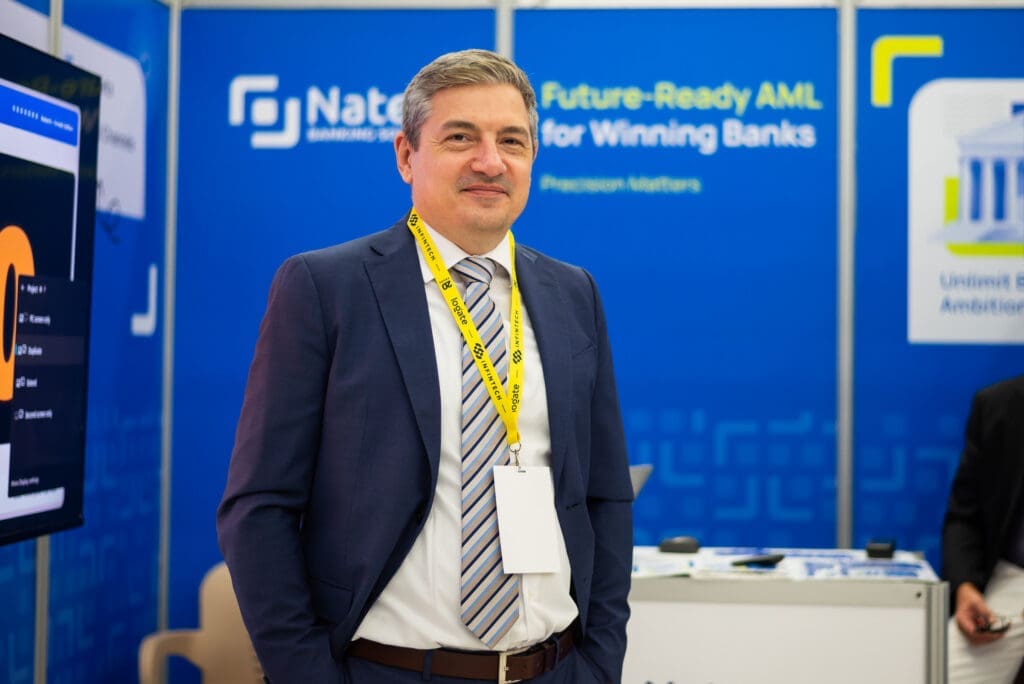
Technology can help banks move faster, but trust and accountability remain central to every transformation. Digital banking in the Western Balkans is moving fast. Banks can now launch digital services in months, they’re testing artificial intelligence (AI) in lending and fraud prevention, and European Union (EU) rules on digital identity are on the way. The harder question is how to make all of this work every day, under the bank’s own control. INFINTECH 2026 took place on October 8 and 9 in Porto Montenegro, Tivat, organized by Logate. The conference brought together banks, regulators and fintechs from across the region, with EU integration and digital transformation high on the agenda. Natech was there as one of the leading digital banking technology providers in Southeastern Europe, working with banks and financial institutions across the region as they modernize and prepare for EU integration. The panels covered digital banking, AI, regulation and digital identity. Across them, one theme kept coming back: the move from digital ambition to trusted execution. Below are the takeaways I consider most relevant for banks in the Western Balkans.
Key takeaways
| Theme | The challenge | What it means in practice |
|---|---|---|
| Speed and accountability | Digital banks can be built quickly, but responsibility for compliance and processes stays with the bank | Banks need technology partners that help them move faster while they keep control |
| AI in banking | AI is being used in lending and fraud prevention, but it depends on data integration and organizational learning | AI has to fit into existing processes, with appropriate human oversight |
| Digital journeys | Digital identity and new regulation call for simple experiences, timely implementation and public-private cooperation | Onboarding and compliance have to work for clients and institutions at the same time |
Faster innovation needs clear accountability
Digital banks can now be built in months, and that speed puts accountability in the spotlight. In the panel on digital banking, Fatbardha Rino, CEO of Jet Bank, described how a digital bank can go from the start of work with a vendor to launch in 6 to 7 months. Her central point was that responsibility for everything a bank implements still lies with the bank.
This is the part I’d underline. Bankers define the compliance rules and the processes, so the bank needs the right people and internal discipline to make sure everyone understands where accountability sits.
In my opinion, speed and accountability belong together. A technology partner can shorten the path from idea to launch, while every rule, process and compliance decision stays in the bank’s hands. For us at Natech, that’s the measure of a good partnership: the bank moves faster and keeps full control of what it implements.
AI in banking needs the right data and operating model
AI is already moving into lending and fraud prevention in the region, and the results depend on data and on how the organization learns. In the discussion on AI, Zarija Milić, chief operating officer of NLB Banka, stressed the role of data integration in credit approval and fraud prevention, including connections to outside sources such as the tax administration.
He also pointed to the learning curve. A first AI pilot can take around 6 months, while the next product can follow in under 1, once the team knows how to work with the technology. Most banks in the region are still at the pilot or proof-of-concept stage, so much of that learning is still ahead.
In my view, the practical challenge is integration. AI delivers value when it becomes part of the processes a bank already runs, such as credit approval or fraud monitoring, and when people keep appropriate oversight of the decisions it supports. For us at Natech, that means connected, reliable data and a clear place for human review in every AI-supported process.
Digital journeys must work for clients and institutions
Regulation and digital identity will shape the next generation of digital journeys in the region, and timing and simplicity will decide who benefits. In the panel on the digitalization of the Western Balkans, Una Sikimić, CEO of ALTA banka, linked fast adoption of the regulatory framework to clear benefits: stronger data security, simpler processes and more stable institutions for clients and the industry alike.
The same panel discussed the EU digital identity wallet. Dušan Krkotić of Montenegro’s Ministry of Public Administration explained that after EU entry, banks will need to accept clients’ digital wallets, which requires interoperable systems and cooperation between the public and private sectors.
For me, this takeaway comes down to onboarding and compliance. A digital journey has to be simple for the client and work for the institution behind it, connected to local infrastructure and to the bank’s compliance checks. These practical integration challenges are where banks in the region will need the most support as the new rules arrive.
What this means for digital banking in the Western Balkans
Put the 3 themes together and a clear picture comes out. For banks in the Western Balkans, digital transformation in banking is as much about connection as it is about new technology. New tools have to connect to local infrastructure and to the processes banks already run. They have to support compliance from day 1. And they have to give institutions room to adapt as client expectations and regulation change, especially with EU integration ahead.
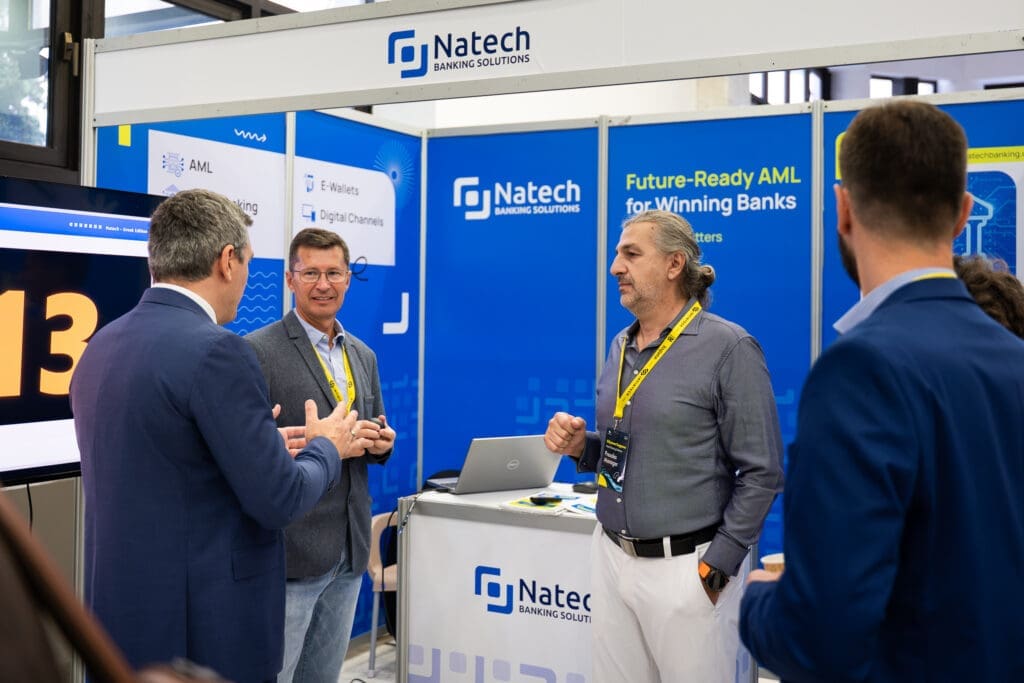
That’s how we at Natech approach it. Our modular banking platform lets institutions start with what they need now and add capabilities as their strategy and the rules evolve. Our anti-money laundering (AML) and compliance solution is built to keep up with EU standards. And our digital payments capabilities, including e-wallets, help banks offer the simple, fast journeys clients expect. Compliance and speed will only become more connected. With instant payments coming to the region, I’ve written about what that means for AML in always-on AML for TARGET Instant Payment Settlement (TIPS).
FAQ
What is INFINTECH?
INFINTECH is a fintech conference for banks, regulators and fintechs in the Balkans, organized by Logate. The 2026 edition took place on October 8 and 9 in Porto Montenegro, Tivat.
What were the key takeaways from INFINTECH 2026?
Banks can launch digital services fast but stay accountable for compliance and processes. AI in banking depends on data integration and human oversight. Digital journeys need simple experiences, timely implementation and public-private cooperation.
How are banks in the Western Balkans using AI?
Most are still at pilot or proof-of-concept stage. At INFINTECH 2026, speakers described AI in credit approval and fraud prevention, and stressed data integration and human oversight.
Who is accountable when a bank works with a technology partner?
The bank. As Jet Bank’s CEO said at INFINTECH 2026, bankers set the compliance rules and define the processes, even when a vendor builds the platform.
Let's talk
Want to discuss what this means for your bank? Book a meeting with Miodrag and see how our modular banking and AML solutions support digital banking in the Western Balkans.